
“Sing praises to the Lord, O you his saints, and give thanks to his holy name. For his anger is but for a moment, and his favor is for a lifetime. Weeping may tarry for the night, but joy comes with the morning.” -Psalm 30:4-5
CHAPTER OF THE WEEK: Psalm 30 You can read it every day or just once, pray it, meditate on it, talk about it, or find other resources about it.
VERSE OF THE WEEK: Psalm 30:4-5 You can memorize it, read it every day or just once, pray it, meditate on it, talk about it, or find other resources about it.
ON THE LOOKOUT: Over the next few months, we’ll be taking a look at the different categories of the Psalms. There are all sorts of categories and themes in Psalms. Keep looking for attributes of God, prophecies and allusions to Jesus, things we can trust God with, verses of lament right next to verses of praise or trust, and add to your list looking for the theme of the week.
RESOURCE OF THE WEEK: Psalm 30 Sermon by Tim Costillo of Grace Hill Church YouTube link.
SONG OF THE WEEK: “Psalm 30” by Poor Bishop Hooper YouTube link, Spotify link.
PLAYLIST FOR THE WEEK: Here is a playlist with songs from Psalms 30-33 YouTube link, Spotify link.
CHALLENGE OF THE WEEK: As you read Scripture this week, see if you can categorize or find themes in the passages. Especially look for verses about thanksgiving.
QUOTE OF THE WEEK: “…thanksgiving psalms are closely related to the psalms of lament, since thanksgiving psalms are usually expressions of praise to God for having heard a lament.” – from Psalms Volume 1: An Expositional Commentary by James Montgomery Boice
THOUGHTS on Psalms 30-33
Each month this year, I’m trying to read through the book of Psalms in addition to focusing on a few Psalms each week. It’s nice to be on the lookout for one specific thing while reading through a book. For the month of January, I highlighted all the attributes of God and kept a list in the back of my super awesome journaling Bible. This month, since we’re covering categories right now, I tried to see if I could pick out the themes for each chapter. They could be lament, praise, thanksgiving, trust, penitential, imprecatory, corporate, etc. The hardest one for me to pick out was thanksgiving. Trust and/or praise psalms look a lot like thanksgiving psalms so I wasn’t really clear on the difference. What does make a psalm of thanksgiving?
What is Thanksgiving? The word “thanksgiving” just means to thank or express appreciation to someone for doing something. When I typically pray thanksgivings it goes something like this, “God, thank you for… (fill in the blank)” The ESV translation has the word ‘thank’(often thanks or thanksgiving) 54 times in the book of Psalms. So, there must be lots of sentences like mine, right? Nope. Sometimes the Psalmist is recording how he reacted to an event, but not specifically thanking God directly, like in Psalm 26:6-7, “I wash my hands in innocence and go around your altar, O Lord, proclaiming thanksgiving aloud, and telling all your wondrous deeds.” Or the Psalmist is making a commitment to praise God: “that my glory may sing your praise and not be silent. O Lord my God, I will give thanks to you forever!” (Psalm 30:12). But it looks like the majority of the times ‘thank’ is used, it’s simply a command to thank God like in Psalm 33:2: “Give thanks to the Lord with the lyre; make melody to him with the harp of ten strings!” Thanksgiving is also often used seemingly synonymously with praise, “Sing praises to the Lord, O you his saints, and give thanks to his holy name.” (Psalm 30:4). This is definitely not how we typically pray thanksgiving! It’s also difficult when some Psalms are considered Psalms of thanksgiving, but they don’t have the word ‘thank’ in any verse (Psalm 11)!
Why is it linked with Lament? Another problem I’ve had with labeling psalms of thanksgiving is that most of the books I’ve been reading and sermons I’ve been listening to claim that thanksgivings almost always come directly before or after a lament. They are very closely linked to one another. As I read through the Psalms this month, I definitely got the impression that psalms of trust are more likely to be linked with psalms of lament over psalms of thanksgiving.
What is going on with thanksgiving in the Psalms? Finally, this week, it clicked while I was reading a commentary. I feel a little silly for not seeing this right away. James Montgomery Boice in his commentary on the Psalms wrote “…thanksgiving psalms are closely related to the psalms of lament, since thanksgiving psalms are usually expressions of praise to God for having heard a lament.” A-ha!. That’s why they so often look like trust or praise. The Psalmist will cry out to God and then often respond with thanksgiving or praise by recounting how God has saved him in the past or that God has heard his pleading. That is thanksgiving in the Psalms. They might not use the phrase “thank you for saving me and hearing my plea”, but in the full context, that is what the Psalmist is doing.
Applying this to the examples used above, Psalm 26:6-7 still isn’t a Psalm of thanksgiving because the whole Psalm is just David saying that he will trust God. But Psalm 30 makes way more sense as a Psalm of thanksgiving! Psalm 30 is all about David thanking God for saving him: “O Lord my God, I cried to you for help, and you have healed me. O Lord, you have brought up my soul from Sheol; you restored me to life from among those who go down to the pit.” (Psalm 30:2-3). Psalm 33 is the same if you just expand the context: “Give thanks to the Lord with the lyre; make melody to him with the harp of ten strings! Sing to him a new song; play skillfully on the strings, with loud shouts. [why do we do this? Answer:] For the word of the Lord is upright, and all his work is done in faithfulness. He loves righteousness and justice; the earth is full of the steadfast love of the Lord.” (Psalm 33:2-5). Context always matters.
How can I use this type of thanksgiving in my life? When we pray, it can be easy to slip into the habit of list making. There’s nothing wrong with lists, but so often our prayers are “God, please do this, this, and this. Thank you for this, this, and this.” But in the Psalms, they detail specifics of how God helped them, why God helped them, and then actually praising and thanking God. In the midst of great suffering, they come to understand their suffering through remembering what God has done and proclaiming He will continue to be who He is and do what He does. We might not receive a specific reason their is suffering, but through thanksgiving God gives us peace with silent answers. We too can expand our thanksgivings from a plain list to longer meditation and reflection to thank God for who He is and what He has done.
Interested in learning more about incorporating thanksgiving into your prayer life? Check out these blog posts:
- Thanksgiving or Gratitude
- The Glad Game
- Giving Thanks in All Circumstances
- How to Live a Thankful Life
- The Unhappy Result of Un-thankfulness
- Paul’s Thanksgivings
- The Absence of Thanksgiving
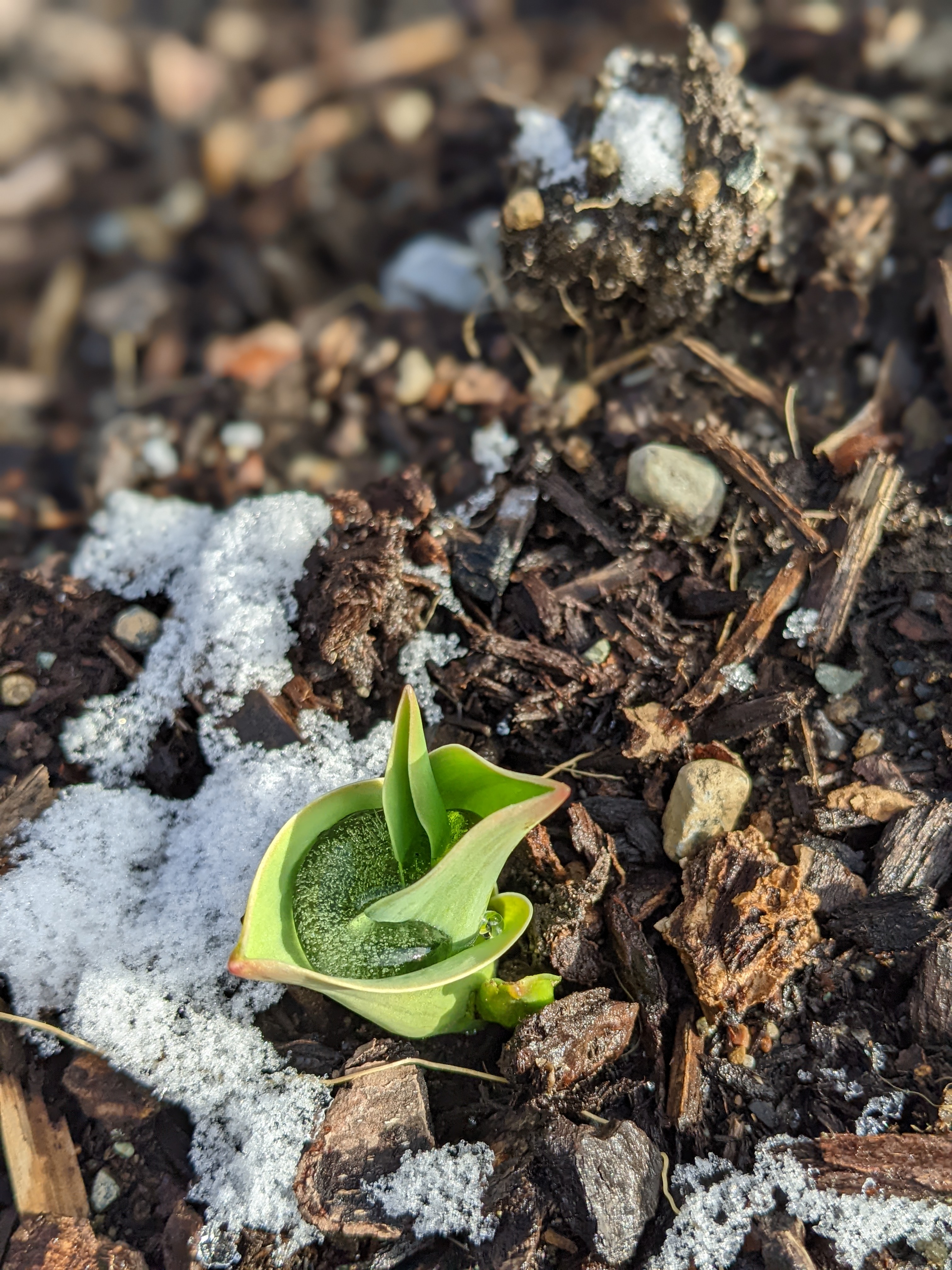
You have turned for me
my mourning into dancing;
you have loosed my sackcloth
and clothed me with gladness,
that my glory may sing your praise
and not be silent.
O Lord my God,
I will give thanks to you forever!
-Psalm 30:11-12
 Perpetual Felicities