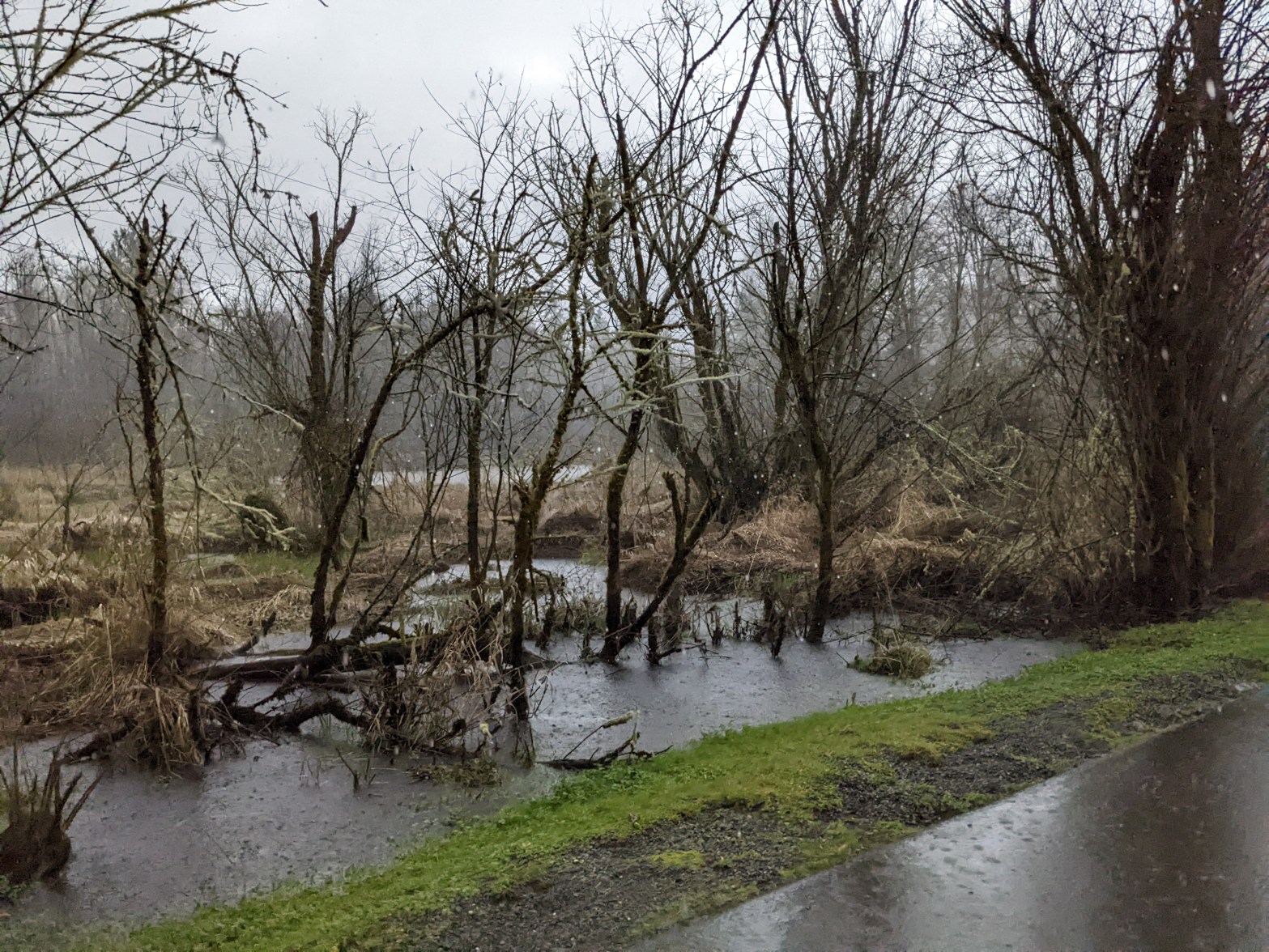
“But may all who seek you rejoice and be glad in you; may those who love your salvation say continually, “Great is the Lord!” As for me, I am poor and needy, but the Lord takes thought for me. You are my help and my deliverer; do not delay, O my God!” -Psalm 40:16-17
CHAPTER OF THE WEEK: Psalm 40 You can read it every day or just once, pray it, meditate on it, talk about it, or find other resources about it.
VERSE OF THE WEEK: Psalm 40:16-17 You can memorize it, read it every day or just once, pray it, meditate on it, talk about it, or find other resources about it.
ON THE LOOKOUT: Over the next few months, we’ll be taking a look at the different categories of the Psalms. There are all sorts of categories and themes in Psalms. Keep looking for attributes of God, prophecies and allusions to Jesus, things we can trust God with, verses of lament right next to verses of praise or trust, thanksgiving, verses that have patterns, wisdom, and add to your list looking for the theme of the week.
RESOURCE OF THE WEEK: A sermon on Psalm 40 by D.A. Carson YouTube link
SONG OF THE WEEK: “New Song (Psalm 40)” by The Dodds YouTube link, Spotify link.
PLAYLIST FOR THE WEEK: Here is a playlist with songs from Psalm YouTube link, Spotify link.
CHALLENGE OF THE WEEK: As you read Scripture this week, see if you can categorize or find themes in the passages. Especially look for verses of lament.
QUOTE OF THE WEEK: “In the Psalms, it is not those who lack faith who lament but those recognized for strong faith who bring their most honest and passionate feelings to God. Moreover, by the sheer number of laments in the Psalms, it would appear that one major message of the book is this very point: God invites his people to speak the truth of their lives, their pain, and their confusion to the One who can do something about it.” – from Hurting with God by Glenn Pemberton
THOUGHTS on Psalms 38-40
As we’ve taken a look at different categories and themes in Psalms, Lament Psalms have popped up here and there. I haven’t addressed laments specifically because the topic is so vast. Even within the category of laments there are subcategories like imprecatory, penitential, and corporate or national laments. I’m sure laments will continue to be the subject of many posts as we study the Psalms this year, so let’s take an introductory look at the lament psalms.
WHAT is a lament? To lament means to cry out in grief or sorrow. It is used to express grief over the death of a loved one or other hardships, but it can also mean to make a complaint about something to someone. In the Psalms, it’s used in both senses.
WHO wrote laments? In the book of Psalms, laments are attributed to David, the Sons of Korah, Asaph, Ethan the Ezrahite, and Moses, but there are also some laments that aren’t attributed to any specific authors. The longest lament in the Bible is the book of Lamentations which was written by Jeremiah. Other longer official recorded laments would be by Habakkuk, Hezekiah (in Isaiah), Solomon (Ecclesiastes), Job, and God (especially in the prophets when mourning people’s hard hearts and having to punish them). But there are many more people who lamented! Take a look at the next paragraph:
WHERE do we see laments in the Bible? We see laments or people lamenting whenever people are crying out in grief, complaining to God about injustice, or crying out to God for deliverance. Some people who lamented include Jonah, Hannah, Naomi, Samson, God, Jesus, the nation of Israel (especially in Judges), some kings of Judah, Samuel, Nehemiah, Daniel, Esther, Mordecai, Paul, and probably a lot more that I can’t think of off the top of my head! In each of these cases, someone is deeply upset and cries to God for help and answers.
WHEN do authors write laments? The authors write laments during major trials and at emotionally low moments in their lives. Laments are fairly easy to spot in Psalms because in them, the Psalmist complains to God about injustice in the world, “Why, O Lord, do you stand far away? Why do you hide yourself in times of trouble?… In the pride of his face the wicked does not seek him; all his thoughts are, ‘There is no God. His ways prosper at all times; your judgments are on high, out of his sight; as for all his foes, he puffs at them.” (Ps. 10:1, 4-5). Or, the Psalmist expresses sorrow over his circumstances, “My wounds stink and fester because of my foolishness, I am utterly bowed down and prostrate; all the day I go about mourning. For my sides are filled with burning, and there is no soundness in my flesh. I am feeble and crushed; I groan because of the tumult of my heart.” (Ps. 38:5-8). But in pretty much all of the laments, the Psalmist asks God to act. He asks for deliverance, “Be pleased, O Lord, to deliver me! O Lord, make haste to help me!” (Ps. 40:13). He asks for justice, “Let those be put to shame and disappointed altogether who seek to snatch away my life; let those be turned back and brought to dishonor who delight in my hurt!” (Ps. 40:14). The author writes psalms of lament when he has done all he can and must wait for God to act.
WHY do we see so many laments in Psalms? The exact number of laments in the Psalms varies from scholar to pastor to layperson. It seems everyone has a slightly different way of categorizing them. Some only count the ones that are primarily lament and some count any Psalm that has a complaint. But they do all agree that there are more laments than any other type of psalm. During my reading of the whole book of Psalms in the month of March, I labeled each Psalm in my Bible with what I think are its main themes or categories. Based on my definitions in this post, I found 75 psalms that are primarily or even partially a lament. That means 50% of the book of Psalms contain at least one verse of lament! Why is this? Honestly, life is really hard for the majority of people and has been since The Fall. We are emotional beings in a sin-filled world. Laments are how we can make sense of what we see and experience as we interact with the sin in ourselves and our world compared with the righteousness of God. It’s also one way we strengthen our relationship with God. We are honest about how we are feeling and what we are seeing and seek out God’s answer instead of the wisdom of the world or the reasoning of our own heart. This helps us trust and rely on God which deepens our relationship with Him.
HOW do we use laments today? It is likely that most Christians don’t use them at all today. We aren’t taught what they are or their purpose so how could we use them? This question of how we use laments today is a much bigger question to be tackled next week in another post. But for now, it’s important to see that laments are a legitimate way to communicate with God due to their frequency in the bible. Just another way the Psalms can be a model for our prayer life!

I waited patiently for the Lord;
he inclined to me and heard my cry.
He drew me up from the pit of destruction,
out of the miry bog,
and set my feet upon a rock,
making my steps secure.
He put a new song in my mouth,
a song of praise to our God.
Many will see and fear,
and put their trust in the Lord.
-Psalm 40:1-3
 Perpetual Felicities