
“Let the words of my mouth and the meditation of my heart be acceptable in your sight, O Lord, my rock and my redeemer.” -Psalm 19:14
CHAPTER OF THE WEEK: Psalm 19 You can read it every day or just once, pray it, meditate on it, talk about it, or find other resources about it.
VERSE OF THE WEEK: Psalm 19:14 You can memorize it, read it every day or just once, pray it, meditate on it, talk about it, or find other resources about it.
ON THE LOOKOUT: Over the next few months, we’ll be taking a look at the different categories of the Psalms. There are all sorts of categories and themes in Psalms. Keep looking for attributes of God, but try to include looking for the theme of the week as well.
RESOURCE OF THE WEEK: “An Exposition on Psalm 19” by Alistair Begg
SONG OF THE WEEK: “More Precious Than Gold” by Acappella YouTube link, Spotify link.
Bonus track: “Defender” by King’s Kaleidoscope (I know we’re doing Psalm 19 this week, but I could not resist sharing this one based on Psalm 18 YouTube link, Spotify Link.
PLAYLIST FOR THE WEEK: Here is a playlist with songs from Psalm 18-19 YouTube link, Spotify link.
CHALLENGE OF THE WEEK: As you read Scripture this week, see if you can categorize or find themes in the passages. Especially look for thanksgiving and verses that talk about Scripture as detailed below.
QUOTE OF THE WEEK: “I take this to be the greatest poem in the Psalter and one of the greatest lyrics in the world.” – on Psalm 19 from Reflections on the Psalms by C.S. Lewis
THOUGHTS on Psalms 18-19
The time has come to talk about the different categories of the Psalms. Most people address this at the beginning of a study in Psalms, but we had to jump right in at the beginning of the year and skip some of the introductory stuff because I hadn’t researched enough. Much more could still be learned, but if you’ve kept up on any of the reading plans, we’ve already read some Psalms with pretty peculiar ideas and you might have a few questions.
Why categories? Just as prayer is more than simply requests, the Psalms are more than just praises to God. Psalms are a way we reconcile our emotions through prayer to align ourselves with God’s will and grow in our relationship with Him. Well, humans have tons of emotions! The Psalms come in all shapes and sizes which helps us learn how to pray when we’re having all sorts of feelings. Also, there are some weird things in Psalms. David prays for judgment on people which seems to go against Jesus’ command to love your neighbor. David also doubts God hears him. How can a man after God’s own heart have times of doubt? And then there’s the seemingly forever long Psalms going on and on about the history of Israel, the longest Psalm which is 176 verses of the same thing over and over, and some chapters that are prophecies about Jesus. Understanding the purpose and category of these odd Psalms will help us correctly interpret and use them.
What are the categories? Ok, this is crazy but there’s anywhere from four to twenty different categories or subcategories and most people don’t agree. A lot of Psalms are also multiple categories! Ugh. Basically, I think the three major themes are Praise, Thanksgiving, and Lament with requests sprinkled throughout. The most common subgenres in praise and thanksgiving are confidence, trust, remembrance, historical, liturgical, torah, wisdom, zion, royal, and Messianic. The most common themes amongst lament are penitentiary and imprecatory while also observing if it’s individual or corporate. Some are also formatted as acrostics and there is a large group called the Song of Ascents, but all of those are varied in theme. Whew! That’s a lot. There are definitely enough ideas, thoughts, and explanations about categories for a separate post!
How do you categorize? Ok, I haven’t explained the details of each category, but let’s take a look at this coming week’s Psalm and see what themes we have. If you can, at least glance through Psalm 19. The first step is to section off the verses by theme. The first 6 verses are all about the heavens declaring the glory of God. Then verses 7 through 11 take a drastic turn and abruptly exclaim how wonderful God’s Word is. Verses 12-13 are requests and the Psalmist’s desire to stay pure. Then the Psalmist ends with the classic verse: “Let the words of my mouth and meditation of my heart be acceptable in your sight, O LORD, my rock and my redeemer.” Next, you correlate the themes with the categories. We could say it starts as Praise (adoration of God), moves to Torah (God’s Word), and ends in requests and praise. This one is definitely a mixed bag. It actually feels very disconnected unless you look at the progression.
The result of noticing categories. Psalm 19 is mostly praise. We just noticed that in the beginning of this chapter, David praises God and in the next section praises His Word. As many commentaries reminded me, the first verses speak of the general revelation of God through creation and the second half the special revelation of God through His Word. Then David asks God to help him stay pure. Even though these seem disconnected, the themes complement each other so well. David just spent the whole chapter meditating on the wonder of God through His creation and His Word as well as admitting the source of His strength and purity must come from God and then prays that these meditations would please God. They are all connected! This Psalm is a fantastic example of what our meditations could be like. We can dwell on God and His Word and ask Him for help. We might have passed right over this if we hadn’t spent time thinking about the categories of this Psalm.
Categories this week. For the next few months, we’ll be continuing to look at categories more in depth. This was just a taste of what we’ll be discovering. Since Psalm 19 involves praise, God’s Word, and requests, be on the look out for those three categories this week in your Bible reading. You might be surprised how useful this can be.
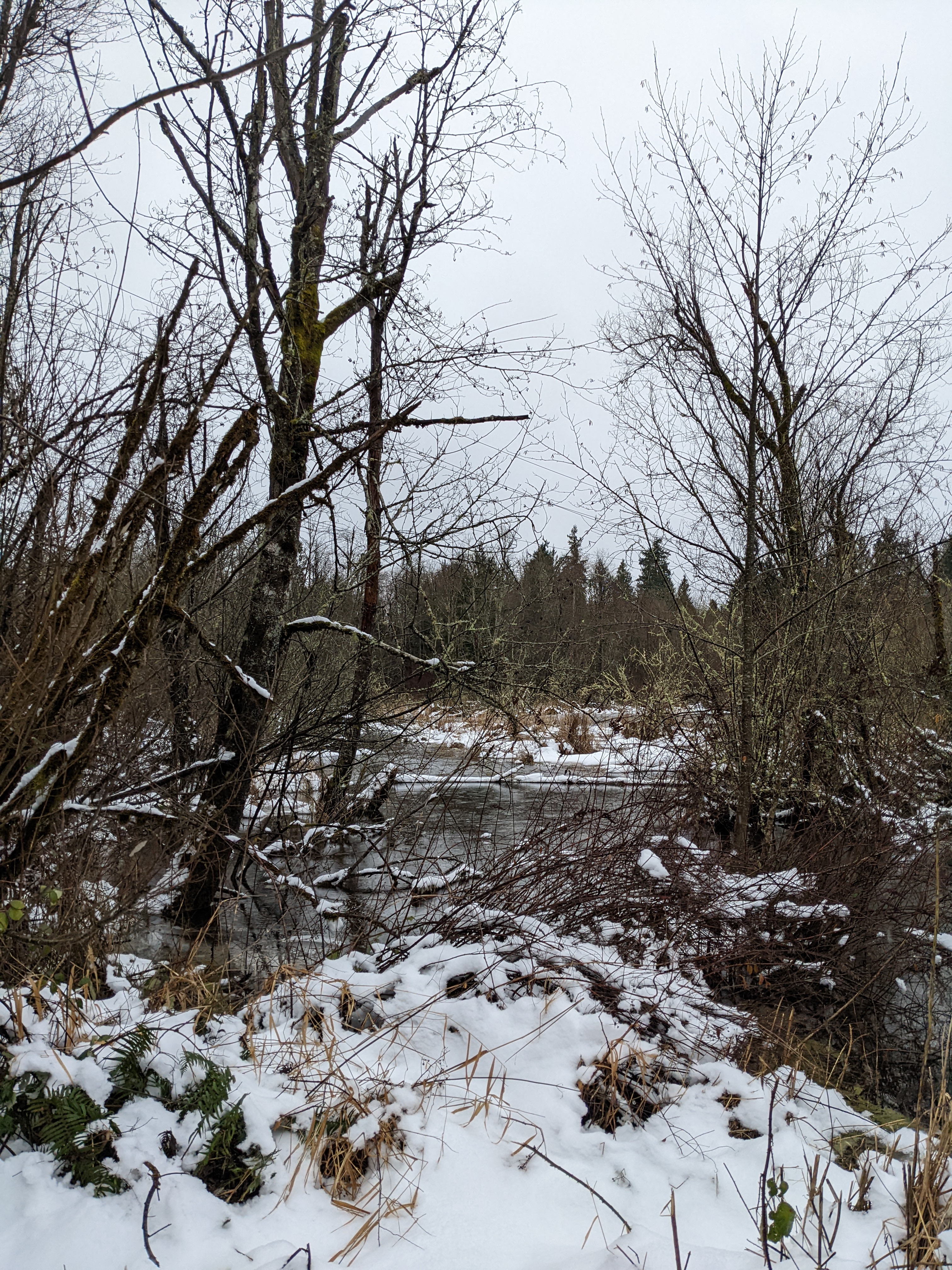
The heavens declare the glory of God,
and the sky above proclaims his handiwork.
Day to day pours out speech,
and night to night reveals knowledge.
There is no speech, nor are there words,
whose voice is not heard.
Their voice goes out through all the earth,
and their words to the end of the world.
In them he has set a tent for the sun,
which comes out like a bridegroom leaving his chamber,
and, like a strong man, runs its course with joy.
Its rising is from the end of the heavens,
and its circuit to the end of them,
and there is nothing hidden from its heat.
-Psalm 19:1-6
 Perpetual Felicities